
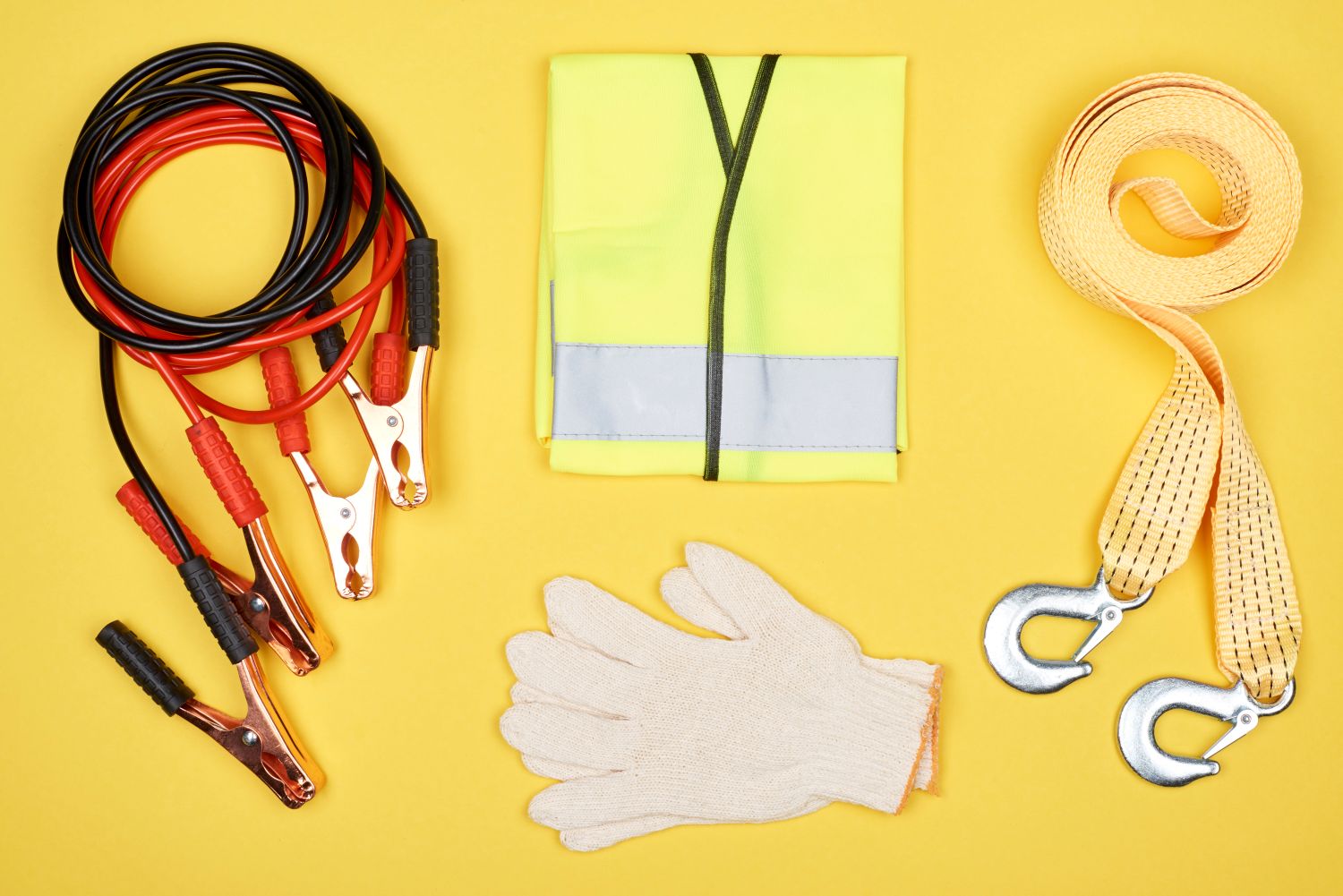
Every driver understands the importance of being prepared for unforeseen circumstances, particularly in emergencies encountered while on the road. Breakdowns, flat tires, or sudden health issues can occur at any moment, making it imperative to have the appropriate emergency supplies readily available in one’s vehicle. This guide emphasizes the significance of preparedness, detailing the essential items and specialized tools necessary for an effective emergency kit, along with practical advice on how to properly pack and store these supplies. By ensuring that you are equipped to handle any situation, you can maintain safety and confidence while driving.
Importance of Emergency Supplies in Your Car
Maintaining a well-stocked car emergency kit is crucial for ensuring safety and preparedness during roadside emergencies. Regardless of whether one is embarking on a long road trip or simply driving locally, the unpredictable nature of vehicle emergencies can greatly influence the ability to respond effectively to a crisis.
By equipping oneself with the appropriate emergency supplies, such as a first aid kit, flashlight, jumper cables, and a tire inflator, individuals can significantly enhance their capability to manage unexpected situations. In times of need, having these essential items readily available not only promotes personal safety but also bolsters confidence while driving, fostering a sense of security on the road.
Potential Emergencies and Why You Need to Be Prepared
Understanding potential roadside emergencies is essential for every driver, as it equips individuals to manage situations that may arise unexpectedly, such as a flat tire, engine failure, or running out of fuel. These scenarios can occur to anyone at any time, making it imperative to develop an emergency plan that includes having the appropriate tools and supplies readily accessible in the vehicle.
By being prepared with essential emergency supplies, such as a spare tire, battery jump starter, emergency whistle, and reflective vest, drivers can confidently address the challenges associated with vehicle emergencies.
Along with mechanical failures, drivers may encounter other emergencies, including being locked out of the vehicle or facing extreme weather conditions. Such stressful situations not only disrupt travel plans but can also significantly compromise driving safety.
To mitigate these risks, adopting a comprehensive emergency plan is invaluable. This plan should encompass an organized emergency contact list that contains important numbers, such as those for roadside assistance, family members, and local emergency services.
Furthermore, assembling a family emergency kit with items like water, non-perishable snacks, flashlights, and first-aid supplies ensures that you and your loved ones are prepared for any eventualities while on the road.
Must-Have Emergency Supplies for Your Car
A well-organized car emergency kit is essential for managing unforeseen circumstances while on the road. This kit should include a comprehensive selection of tools and supplies to address a range of emergencies.
Key components should consist of:
- A first aid kit equipped with necessary medical supplies
- A flashlight
- Jumper cables
- A tire inflator to resolve technical issues
- Non-perishable food
- Water
- An emergency blanket
- A multi-tool
These items will prepare individuals for various scenarios, whether they find themselves stranded or encountering minor inconveniences while driving.
Basic Items and Specialized Tools
Equipping a vehicle with a combination of essential items and specialized tools is crucial for effective emergency preparedness.
Basic items include vital supplies such as a spare tire, emergency blanket, gloves, and a safety triangle, all of which are necessary to ensure the vehicle’s functionality and the occupant’s safety in critical situations. Conversely, specialized tools such as a battery booster, towing strap, and ice scraper enhance readiness for specific emergencies, providing a comprehensive set of resources to address various roadside challenges.
Understanding the distinction between these two categories of gear is imperative, particularly when faced with unexpected situations.
Basic items serve as foundational elements, offering immediate solutions for common issues that drivers encounter, while specialized tools are designed to tackle more complex problems that may arise during an emergency.
In many instances, having this essential equipment readily available can significantly impact the difference between a minor inconvenience and a substantial crisis.
For example, while a tire may require repair, a battery booster can effectively jumpstart a vehicle that has stalled. Collectively, these items create a safety net, ensuring that individuals are never wholly unprepared when emergencies occur.
How to Pack and Store Emergency Supplies in Your Car
Properly packing and storing emergency supplies in a vehicle is essential for ensuring quick access during crises.
To begin, organizing the emergency kit within a durable and easily accessible container can significantly facilitate the retrieval of essential items, such as:
- Tool kit
- First aid kit
- Road flares
Furthermore, utilizing heavy-duty trash bags for sanitation supplies and positioning items like jumper cables and a flashlight within easy reach can enhance the efficiency of one’s response during vehicle emergencies, thereby ensuring preparedness for any situation that may arise on the road.
Organizational Tips and Maintenance Checklist
Establishing an effective organizational system and maintenance checklist for emergency supplies can significantly enhance vehicle safety and preparedness. By regularly reviewing emergency gear and ensuring that essential items such as coolants, engine oil, and spare fuses are in optimal condition, potential pitfalls during emergencies can be mitigated.
Additionally, implementing a system to rotate non-perishable food and water supplies is crucial for maintaining their freshness and usability, thereby ensuring preparedness for any roadside situation.
A comprehensive maintenance checklist extends beyond standard vehicle upkeep; it encompasses all facets of travel safety gear. This includes verifying that the first-aid kit is fully stocked and that tools, such as jumper cables and tire repair kits, are readily accessible.
Conducting regular inventory checks is vital for crisis preparedness, as it aids in identifying gaps in supplies. By adopting this practice as a routine, individuals can avoid the last-minute panic that often accompanies emergencies.
Furthermore, maintaining a record of expiration dates for items such as medications and flares is essential, as these can prove to be lifesaving in critical moments.